

Fall has a way of putting hiring plans back on the agenda.
Summer vacations wind down. Revenue leaders take a harder look at year-end targets. Next year’s growth plans start becoming real decisions about the team needed to deliver them. For organizations planning to add account executives, sales leaders, business development professionals, or other revenue-critical roles, the weeks after Labor Day can bring renewed urgency to hiring.
But posting the job is only the beginning.
A softer labor market and higher application volume can create the impression that strong sales talent should be easier to find. The reality is more complicated. The people most likely to change the trajectory of a sales organization are often already high performing somewhere else. They may be hitting quota, building a territory, managing valuable relationships, or leading a team. They aren’t necessarily searching job boards or submitting applications.
That creates an important distinction for revenue leaders:
The available candidate pool and the right candidate pool are not always the same thing.
For companies with aggressive growth goals, knowing how to reach beyond the applicants already raising their hands can make the difference between filling a seat and making a hire that actually influences revenue.
Fall Hiring Can Increase Activity. It Doesn’t Automatically Increase Quality.
The post-Labor Day hiring rebound is sometimes called the “September Surge.” As organizations return from summer schedules, leaders often turn their attention toward year-end targets, next-year growth plans, and the teams required to deliver them.
But more hiring activity doesn’t mean the market suddenly fills with proven sales performers. U.S. Bureau of Labor Statistics data put unemployment among sales and related occupations at 3.9% in June 2026. And as CSS has explored previously, a larger volume of résumés has not necessarily translated into a larger supply of proven closers.
When a role owns a quota, strategic accounts, a new market, or an entire sales team, finding the right person often requires looking beyond who applied.
Your Candidate Pipeline May Be Showing You Only Part of the Market
Passive candidates are not necessarily unhappy employees secretly waiting for a recruiter to call.
Often, they’re the opposite.
They may be successful in their current roles and have no immediate reason to leave. They aren’t spending evenings applying to jobs. But that doesn’t mean they would ignore the right conversation.
That’s what makes passive recruiting so important in sales recruitment.
The strongest candidate for an Enterprise Account Executive role may already be selling into the exact buyers you want to reach, navigating a similar sales cycle, and consistently performing against a comparable quota. The right sales leader may already be building the kind of team you want to create. A high-performing business development professional may be producing results for a competitor and would only consider moving for a meaningful step forward.
A job posting is unlikely to reach all of them. A specialized sales recruiter can help you reach the talent that isn’t actively looking.
Passive Doesn’t Mean Uninterested
The mistake is treating passive candidates as if they are simply active candidates who haven’t applied yet.
They need a different conversation.
A proven salesperson is likely to evaluate an opportunity through the same commercial lens they use with a prospect. Is the product credible? Is the market real? Is the quota attainable? What does leadership look like? What resources will I have to succeed? And is this opportunity actually better than the one I already have?
Those questions aren’t obstacles to recruiting great salespeople. They’re often evidence that you’re talking to one.
The recruiter therefore has to do more than describe the job. They have to understand the business well enough to make a credible case for why the opportunity deserves the candidate’s attention.
More Applications Have Made Quality More Important, Not Less
Technology has made applying to jobs easier. AI has made sourcing and screening faster. Neither development guarantees a better hire.
LinkedIn made that distinction directly in its July 2026 analysis of AI in hiring: the real measure of recruiting technology should not simply be whether organizations can hire faster, but whether they can hire better.
That distinction is particularly important in sales.
A résumé can tell you where someone worked, what they sold, and perhaps whether they achieved quota. It can’t tell you the whole performance story.
- Did they build the pipeline or inherit it?
- How complex was the sales cycle?
- Did they open new accounts or expand existing ones?
- How did they perform relative to the rest of the team?
- Why did customers buy from them?
- And, most importantly, will that success translate to your environment?
For a revenue-critical hire, those details matter.
This is where an experienced sales recruiter can add value beyond sourcing. The job is not simply to find someone with the right title. It’s to understand what success actually looks like inside the client’s organization, then identify and evaluate people against that standard.
The Search Should Start With Your Revenue Goals, Not the Job Description
Before looking for candidates, there is a more important question to answer:
What does this person need to accomplish for the business?
Consider two companies hiring an Enterprise Account Executive.
One needs someone who can inherit a mature territory, navigate complex procurement environments, and expand existing enterprise relationships.
The other is entering a new market and needs a true hunter who can build pipeline from zero, create credibility with unfamiliar buyers, and tolerate considerably more ambiguity.
The job titles may be identical.
The people who will succeed in them probably aren’t.
That is why specialized sales recruiting should begin with more than a list of qualifications. The recruiter needs to understand the sales motion, growth goals, leadership, culture, compensation, and, critically, why a successful salesperson would want this job.
CSS ProSearch’s recruiting process begins with that discovery work before moving into targeted search, screening, candidate care, offer strategy, and long-term follow-through. [Internal link: “sales recruiting” or “targeted search” → CSS ProSearch homepage]
The better a recruiter understands the business, the more precisely they can identify who is worth approaching and explain why the opportunity might be worth considering.
Recruiting Passive Sales Talent Is Part Search and Part Selling
Top sales candidates are used to receiving bad recruiting pitches.
Generic recruiter messages, interchangeable job descriptions, vague compensation promises, and claims of “unlimited earning potential” don’t give a successful salesperson much reason to leave a good job.
Effective passive recruiting requires a much more thoughtful approach.
1. Make the Opportunity Credible
Leadership. Market. Product. Territory. Compensation. Ability to win.
Compensation matters, but so do leadership, market opportunity, product-market fit, career trajectory, territory, support, and the ability to win.
A recruiter needs enough understanding of the company to answer substantive questions rather than simply forwarding them to the hiring manager.
2. Target for Performance
Selling motion. Buyer. Deal size. Sales cycle. Results. Environment.
Someone having “SaaS” on a résumé does not automatically make them the right SaaS salesperson.
A strong search considers the selling motion, buyer, deal size, sales cycle, industry, results, career progression, and the environment in which those results were achieved.
3. Understand the Motivation
Why would a successful salesperson actually leave?
Passive candidates rarely leave simply because another company has an opening.
There needs to be a compelling reason to engage. For one person it may be leadership. For another, earning potential, a stronger product, a larger market, greater responsibility, or a clearer path to advancement.
The recruiting process should uncover that motivation early.
4. Keep Selling the Opportunity
Candidate care doesn’t stop when the interview starts.
Recruiting doesn’t end when a candidate agrees to interview. Candidate care matters from the first conversation through offer acceptance, especially when you’re engaging someone who wasn’t planning to leave in the first place. Communication gaps, inconsistent messaging, slow decisions, or a poorly managed interview process can create doubt.
Your employer brand also plays a role here. Candidates are evaluating what they hear from the recruiter against what they see online and experience throughout the hiring process.
The Real Risk Isn’t an Empty Seat. It’s the Wrong Person in It.
Revenue leaders feel pressure to move quickly for good reason. An open territory can mean missed pipeline. An absent sales leader can slow growth. And a bad hire can consume months of ramp time, management attention, and opportunity before the organization realizes the fit is wrong.
But speed and quality don’t have to be opposing goals.
The better approach is to get more precise earlier. Define the business outcome. Understand the talent market. Identify the profile most likely to succeed. Look beyond active applicants. Screen for performance, fit, and motivation. Then keep the right candidates engaged through a process that gives both sides enough information to make a confident decision.
The CSS ProSearch Difference
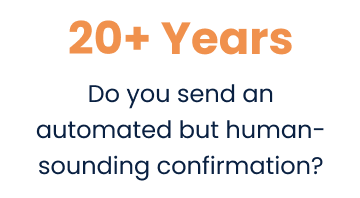
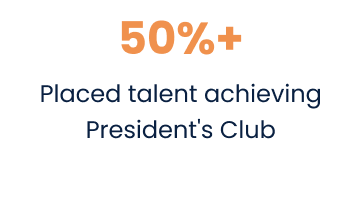

Those outcomes aren’t the result of waiting for the right résumé to appear. They come from knowing who to look for, what to ask, how to evaluate performance, and how to make the right opportunity worth considering.
As fall hiring picks up and revenue plans for 2027 take shape, more sales opportunities will enter the market. That doesn’t mean the strongest candidates will apply to them.
For CROs and sales leaders, the opportunity is to stop treating the applicant pool as the entire talent market. Your next great hire may already be performing exceptionally well somewhere else, with no intention of making a move.
Until the right opportunity gives them a reason to listen.